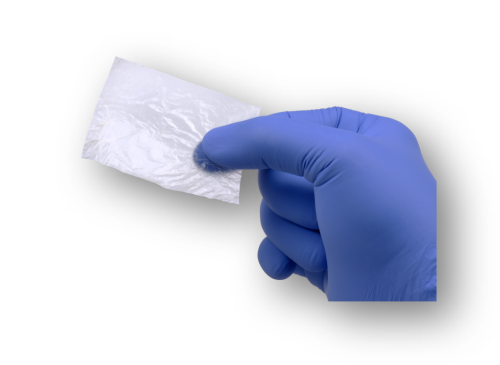
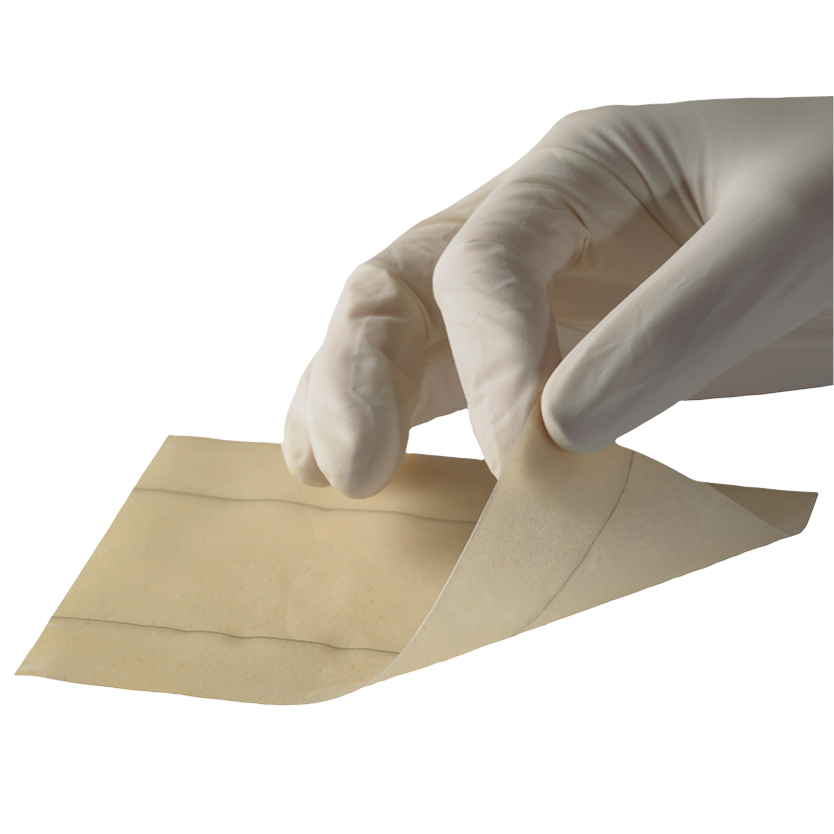
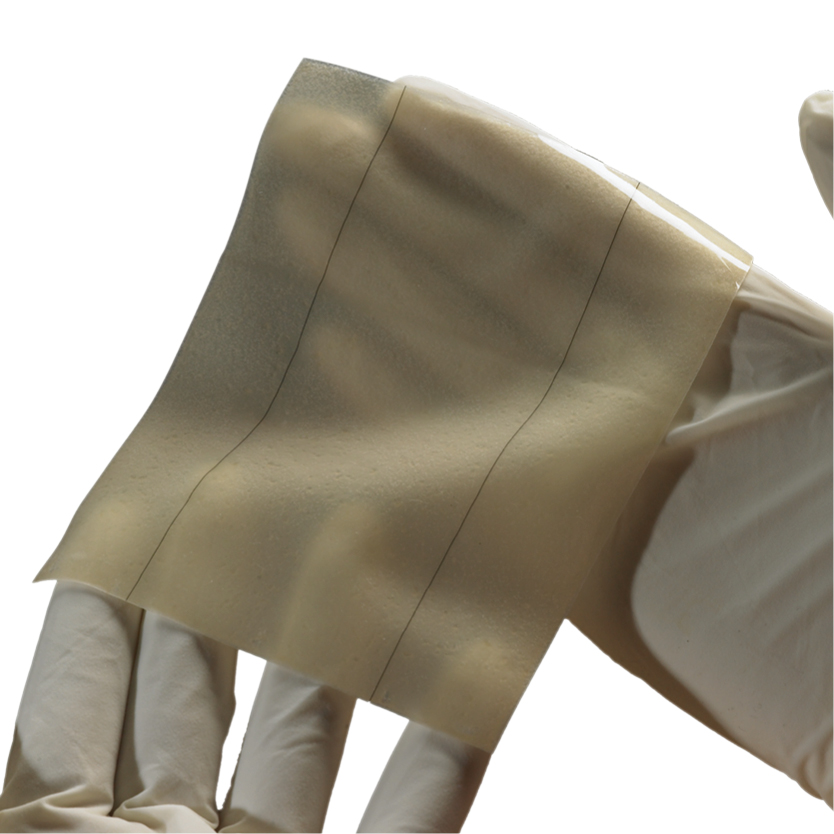
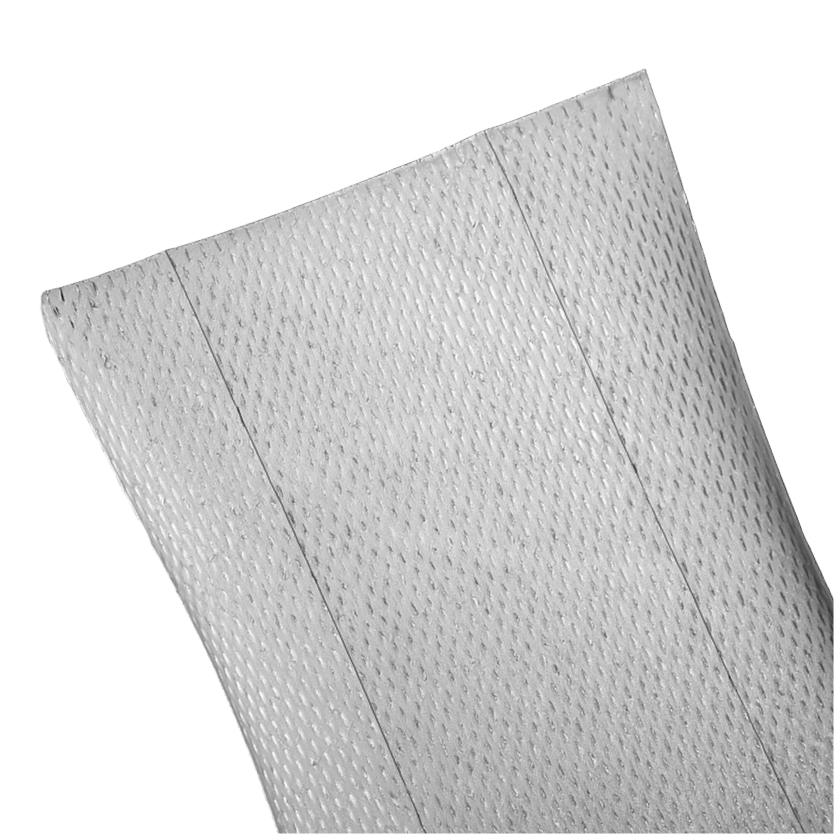
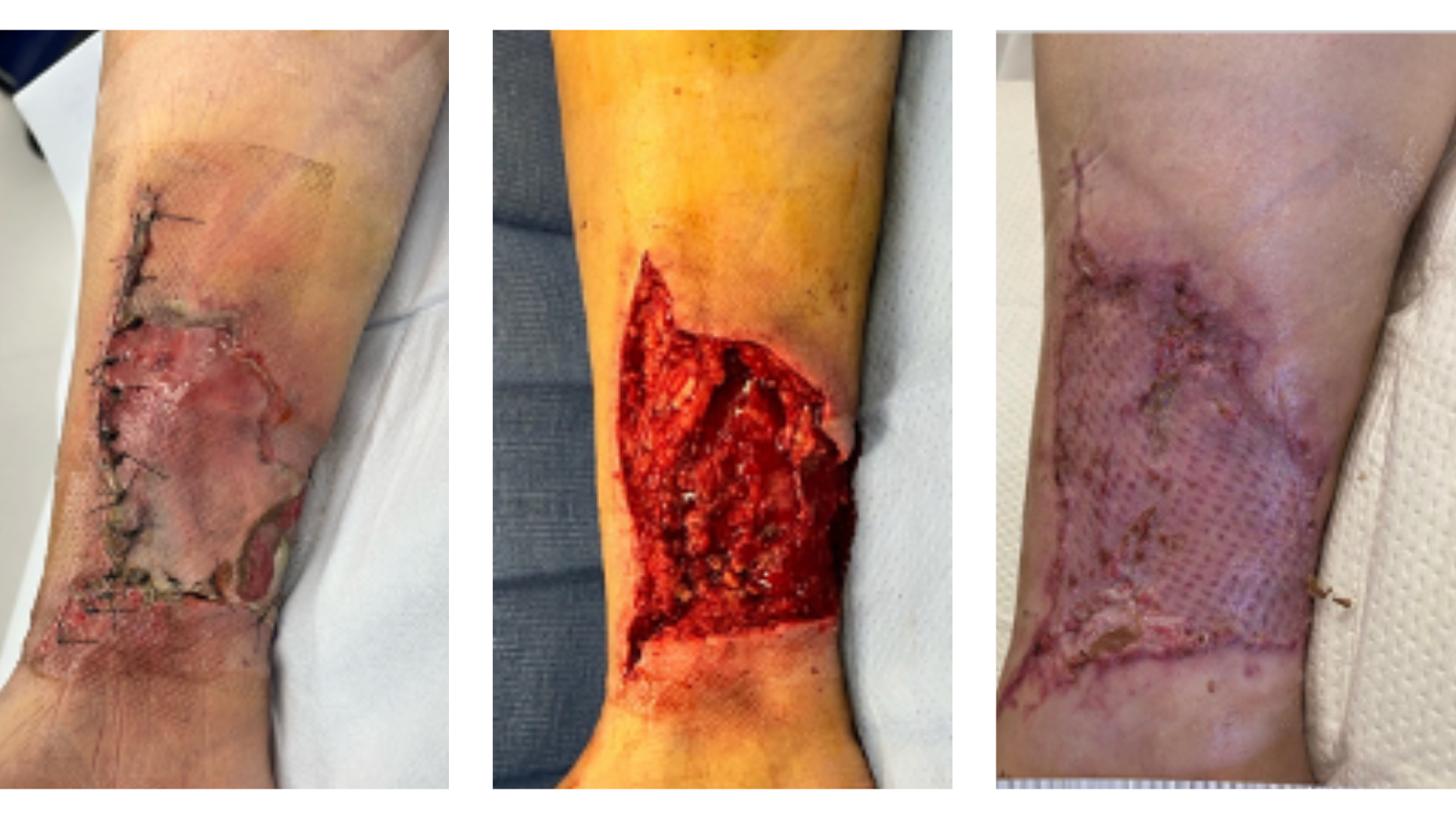
Cellular- and/or tissue-based products (CTPs) are types of wound dressings or coverings that support wound healing. There are multiple options for these products, including: non-viable cells, tissue-based: animal; non-viable cells, tissue-based: human; viable human cells, cultured in vitro: animal substrate; viable human cells, cultured in vitro: synthetic substrate; and viable human cells, non-cultured: intact tissue.
In January 2026, new Final Rules regarding CTP/skin substitute application are scheduled to go into effect. Please consult your region’s Local Coverage Determination and/or your local payers’ guidelines for specific details on coverage and use specifications. Products listed in WoundSource may or may not be on the covered list under the new guidelines, so it is imperative that readers verify coverage policies, medical necessity requirements, and coding instructions for their desired product(s). See pages [XXX] for full disclaimer information.
EPIFIX® Dehydrated Human Amnion/Chorion Membrane (DHACM) Allograft is a placental-based tissue product that acts as a semi-permeable protective barrier that supports the healing cascade.
Geistlich Derma-Gide® is a dual-sourced, highly refined, bilayer advanced wound matrix that is structurally optimized to support blood vessel formation, wound closure and wound fluid absorption.
Helicoll® is a bioengineered high purity type I collagen (>97% pure) skin substitute that is highly bioactive, cell conducive, and supportive towards enhancing tissue generation for wound management.
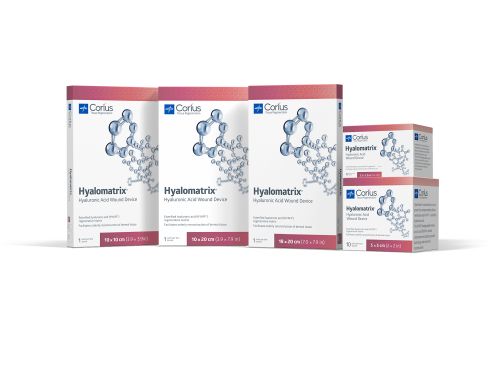
Hyalomatrix® is a 3D HYAFF® (hyaluronic acid ester) matrix used on wounds that allows cellular invasion and capillary growth, to impact the re-epitheliazation process.
InnovaMatrix® devices are placental-derived devices that preserve the inherent structural benefits of the placenta while adding the reliability, reproducibility, and safety profile of a medical device.
InnovaMatrix® devices are placental-derived devices that preserve the inherent structural benefits of the placenta while adding the reliability, reproducibility, and safety profile of a medical device.
Integra® Bilayer Wound Matrix is an advanced bilayer matrix device consisting of a porous, three-dimensional dermal layer and a temporary epidermal layer. The dermal layer (collagen and glycosaminoglycan) provides a scaffold for cellular invasion and capillary growth. The epidermal layer (polysiloxane) provides immediate wound closure, serves as a bacterial barrier and controls fluid loss.
Integra® Dermal Regeneration Template is an advanced bilayer matrix consisting of a porous, three-dimensional dermal replacement layer and a temporary epidermal layer. The dermal replacement layer (collagen and glycosaminoglycan) is designed with a controlled porosity and defined degradation rate to promote neodermal formation. The epidermal layer (polysiloxane) provides a moisture and bacterial barrier.
Integra® Flowable Wound Matrix is an advanced wound care device comprised of a granulated Integra® Wound Matrix, which consists of collagen and glycosaminoglycan. The Integra® Flowable Wound Matrix is hydrated with saline prior to application. It is designed for use in deep soft tissue or tunneling wounds.
Integra® Meshed Bilayer Wound Matrix is an advanced bilayer matrix device consisting of a porous, three-dimensional dermal layer and a temporary epidermal layer. The dermal layer (collagen and glycosaminoglycan) is designed with a controlled porosity and defined degradation rate that provides a scaffold for cellular invasion and capillary growth. The epidermal layer (polysiloxane) is pre-meshed.